A pet bowl may seem like a simple accessory, but its shape, material, and size can affect your pet's comfort during every meal. The wrong bowl may slide across the floor, become difficult to clean, or force a cat or dog to eat in an uncomfortable position.
Today, pet stores offer plastic, stainless steel, ceramic, elevated, automatic, and slow feeder bowls. Therefore, when choosing one, it is worth considering not only its appearance but also the individual needs of your pet.
What makes a good pet bowl?
The most important characteristics are a safe material, appropriate size, stability, and easy cleaning.
For everyday use, it is particularly important that the surface has no deep scratches, cracks, or other damage where food residue can accumulate.
A good bowl should:
- Match the pet's size and breed
- Remain stable during feeding
- Be easy to wash
- Have no strong or unpleasant odor
- Be made from a pet-safe material
- Be suitable for the type of food being served
Which bowl material is best?
Stainless steel
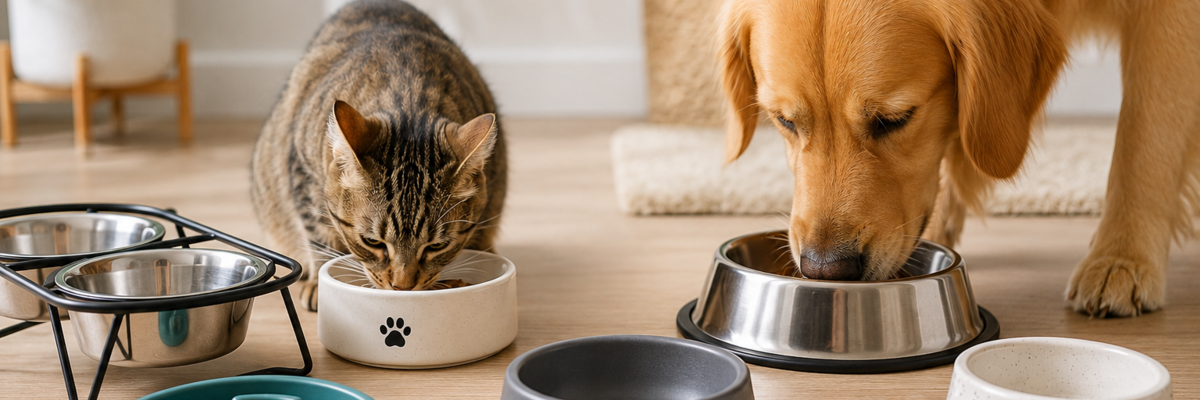
Stainless steel bowls are one of the most practical choices for both dogs and cats. They are durable, resistant to damage, and easy to clean. High-quality stainless steel does not absorb odors and generally withstands regular washing well.
These bowls are particularly convenient for both food and water.
Ceramic
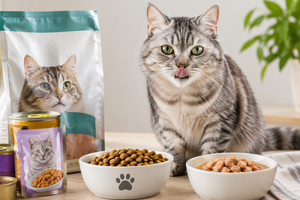
Ceramic bowls are heavier than plastic ones, so they are less likely to move around the floor during meals. They can also be comfortable for cats that dislike lightweight bowls that slide while they eat.
The surface should be checked regularly for chips and cracks. A damaged ceramic bowl should be replaced.
Plastic
Plastic bowls are lightweight and affordable, but the quality of the material is important. Scratches on the surface can make thorough cleaning more difficult.
If you choose a plastic bowl, select a high-quality model and replace it when significant scratches or other damage appear.
How to choose a bowl for a cat
Cats often prefer wide, shallow bowls. This shape allows them to eat without pressing their face against high sides.
For cats that are sensitive to their whiskers touching the sides of a bowl, a wide model with low edges may be more comfortable.
Water should be provided in a separate bowl with enough capacity for regular drinking. If your cat does not drink enough, a drinking fountain may also be worth considering.
For flat-faced breeds, bowl shape can be particularly important. A wide, shallow design may make it easier for the cat to reach its food.
How to choose a bowl for a dog
The dog's size directly determines the appropriate bowl size.
Small breeds need a compact bowl with a relatively small capacity. Large dogs generally require a bigger and more stable model.
For dogs with long ears, specially designed narrow bowls can be useful because they help reduce contact between the ears and food or water.
Active dogs may also benefit from heavier bowls or models with a non-slip base.
Does your pet need an elevated bowl?
Elevated bowls can be convenient for some dogs and cats, particularly when bending down to floor level is uncomfortable.
However, an elevated bowl is not automatically better for every pet. Its height should be selected individually, taking into account the animal's size, anatomy, and any recommendations from a veterinarian.
If your pet has musculoskeletal problems or another health condition, discuss the appropriate bowl height with a veterinary professional.
Slow feeder bowls
Some dogs and cats eat too quickly. In these cases, a slow feeder with built-in ridges, sections, or maze-like patterns can be useful.
These bowls make pets work around obstacles to reach their food and can increase the amount of time spent eating.
Slow feeders can be useful for:
- Dogs that eat too quickly
- Pets that tend to overeat
- Animals that benefit from slower food consumption
- Using dry food as part of environmental enrichment
However, a slow feeder does not replace proper control of the pet's daily food intake.
A separate bowl for water
Fresh water should always be available to your pet. It is best to use a separate water bowl that is cleaned regularly and refilled with fresh water.
If you have several pets, providing multiple water stations can be helpful. This is particularly relevant for cats, which may avoid drinking if their water bowl is located too close to their food or litter box.
How to care for pet bowls
Even a high-quality bowl needs regular cleaning. Food residue and saliva can contribute to the buildup of bacteria and other contaminants, so simply adding a new portion of food to an unwashed bowl is not a good practice.
Basic care recommendations include:
- Wash the bowl after feeding
- Replace drinking water every day
- Clean both the inside and outside regularly
- Check the bowl for cracks and scratches
- Replace damaged bowls
- Wash bowls belonging to different pets separately when appropriate
Which bowl is best for everyday use?
There is no single bowl that is ideal for every pet. For most cats and dogs, a stable bowl of the appropriate size made from a safe, easy-to-clean material is a practical choice.
Consider your pet's individual behavior as well. If your pet constantly pushes the bowl across the floor, choose a heavier model or one with a non-slip base. If it eats too quickly, consider a slow feeder. If bending down is uncomfortable, an elevated design may be appropriate.
The right bowl makes everyday feeding more comfortable and helps maintain good feeding hygiene. For cats, a wide shape and low sides may be particularly useful, while dogs often need sufficient capacity and stability. Stainless steel and quality ceramic remain practical choices for everyday use, while specialized bowls can help address specific feeding needs - from eating too quickly to difficulty maintaining a comfortable position while eating.