A balanced diet is the foundation of your dog's health, energy, and longevity. The food your dog eats every day affects everything from digestion and immune function to coat quality, muscle development, and overall well-being. With hundreds of brands and formulas available, choosing the right dog food can be challenging. The best option depends not only on the brand but also on your dog's age, size, activity level, health condition, and individual nutritional needs.
Types of Dog Food
Modern dog food comes in several different forms, each offering its own advantages.
Dry Dog Food
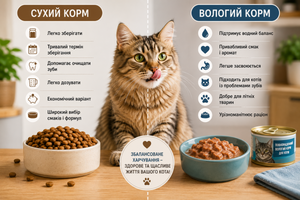
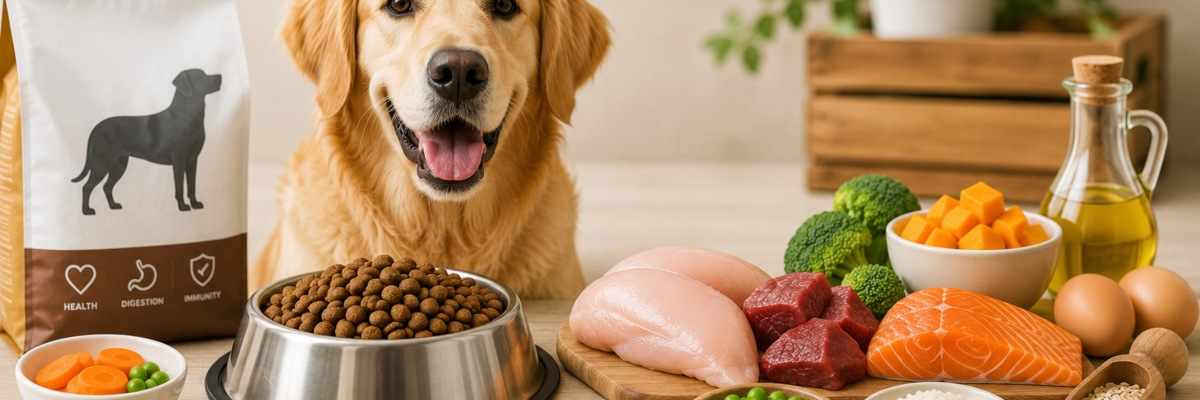
Dry kibble is the most common choice for everyday feeding. It is convenient to store, easy to measure, and has a long shelf life.
Benefits include:
- Long storage life
- Easy portion control
- Cost-effective feeding
- Wide selection for every breed and life stage
- Helps support dental hygiene by reducing plaque buildup
Wet Dog Food
Canned food, pâté, and meat chunks in gravy contain significantly more moisture than dry food. Their rich aroma and texture often appeal to picky eaters and dogs that need additional hydration.
Grain-Free Dog Food
Grain-free formulas are designed for some dogs with specific dietary sensitivities or ingredient intolerances. However, grain-free food is not automatically healthier for every dog and should be selected according to individual nutritional requirements.
Veterinary Diets
Prescription diets are formulated to support dogs with certain medical conditions, including kidney disease, digestive disorders, obesity, food allergies, joint problems, and urinary tract issues. These diets should only be used under veterinary guidance.
Choosing Food Based on Your Dog's Age
Nutritional requirements change throughout a dog's life.
Puppies require higher levels of protein, healthy fats, vitamins, and minerals to support rapid growth and development.
Adult dogs benefit from balanced nutrition that helps maintain an ideal body condition and consistent energy levels.
Senior dogs often need formulas with fewer calories, easily digestible ingredients, and added nutrients such as glucosamine and chondroitin to support joint health.
When shopping, look for labels such as Puppy, Adult, or Senior to ensure the food matches your dog's life stage.
What to Look for in the Ingredients
High-quality dog food begins with high-quality ingredients.
Animal protein should appear among the first ingredients on the label. Common protein sources include chicken, turkey, lamb, beef, salmon, and other fish.
A balanced recipe may also contain:
- Vegetables
- Fruits
- Natural fiber
- Omega-3 and Omega-6 fatty acids
- Vitamins
- Minerals
- Probiotics
Avoid foods where inexpensive fillers make up most of the recipe or products containing excessive artificial colors, flavors, or preservatives.
Choosing Food Based on Breed Size
Dogs of different sizes have different nutritional needs.
Small breeds generally benefit from smaller kibble that is easier to chew.
Medium-sized breeds require balanced formulas that support daily activity while maintaining healthy body weight.
Large and giant breeds often need specially formulated diets with controlled mineral levels and joint-support ingredients such as glucosamine and chondroitin.
Many manufacturers also adjust kibble size to match different jaw sizes, making meals easier and safer to eat.
Common Mistakes When Choosing Dog Food
Many owners unintentionally make feeding mistakes that may affect their dog's long-term health.
Common mistakes include:
- Switching food too quickly
- Choosing food based only on price
- Feeding excessive treats
- Ignoring recommended feeding portions
- Using food intended for the wrong life stage
- Failing to provide constant access to fresh drinking water
Whenever changing your dog's diet, introduce the new food gradually over seven to ten days by mixing increasing amounts with the current food.
Should You Change Dog Food Regularly?
If your dog is healthy, maintains an ideal weight, has good digestion, and enjoys the current food, there is usually no reason to change diets frequently. Complete and balanced dog food is formulated to provide all essential nutrients for long-term daily feeding.
A diet change may be appropriate if your dog reaches a new life stage, develops food sensitivities, receives a veterinary recommendation, or experiences significant changes in activity level.
Choosing the right dog food is one of the most important decisions you can make for your pet's long-term health. The ideal diet should match your dog's age, size, activity level, and individual nutritional needs while providing high-quality ingredients and balanced nutrition. There is no single formula that is perfect for every dog, but selecting a complete, premium-quality food and monitoring your dog's condition will help support a healthy, active, and happy life for years to come.