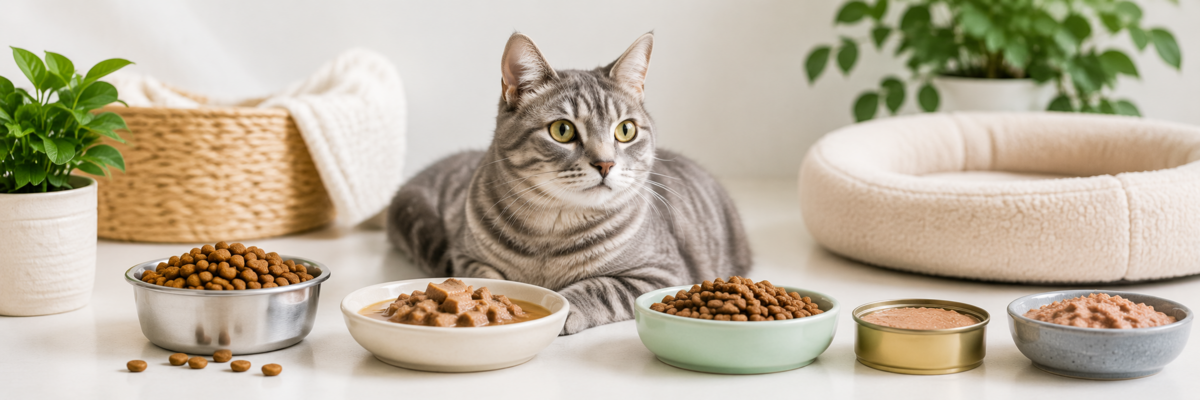
Proper nutrition is one of the most important factors in keeping your cat healthy, active, and happy. A balanced diet supports a strong immune system, healthy digestion, a shiny coat, and long-term well-being. With countless cat food brands and formulas available today, choosing the right option can feel overwhelming. The best food depends on your cat's age, lifestyle, health condition, activity level, and individual nutritional needs. Understanding the differences between various types of cat food will help you make an informed decision and provide your pet with the nutrition they deserve.
Types of Cat Food
Cat food is available in several forms, each offering unique benefits depending on your cat's preferences and dietary requirements.
Dry Cat Food
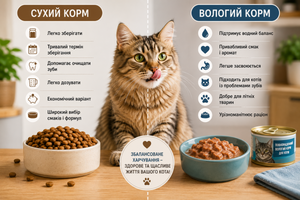
Dry kibble is the most common choice for everyday feeding. It is convenient to store, easy to measure, and has a long shelf life after opening.
Key advantages include:
- Long shelf life
- Easy portion control
- Cost-effective daily feeding
- Wide variety of formulas for different ages and breeds
- Helps reduce plaque buildup through chewing
Cats eating dry food should always have access to fresh, clean drinking water.
Wet Cat Food
Wet food comes in cans, pouches, pâtés, or chunks in gravy or jelly. Thanks to its high moisture content and rich aroma, it is especially appealing to many cats.
Wet food supports hydration, making it an excellent choice for cats that naturally drink little water. It is also commonly recommended for senior cats and those with certain urinary tract conditions.
Grain-Free Cat Food
Some manufacturers produce grain-free recipes that replace traditional grains with alternative carbohydrate sources. These diets may benefit cats with specific food sensitivities or digestive issues. However, grain-free food is not automatically healthier for every cat and should be selected according to individual nutritional needs.
Veterinary Diets
Prescription diets are specially formulated to support cats with medical conditions such as kidney disease, urinary tract problems, digestive disorders, obesity, diabetes, or food allergies. These diets should only be used under the guidance of a veterinarian.
Choosing Food According to Your Cat's Age
Cats have different nutritional requirements throughout their lives.
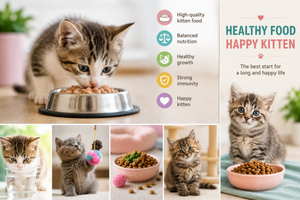
Kittens require food rich in protein, healthy fats, vitamins, and minerals to support rapid growth and development.
Adult cats need balanced nutrition that maintains healthy body weight, muscle mass, and daily energy levels.
Senior cats benefit from specially formulated diets with lower calorie content, easily digestible ingredients, and nutrients that support joint function, heart health, and overall vitality.
When choosing food, look for labels such as Kitten, Adult, or Senior to ensure the formula matches your cat's life stage.
What to Look for in the Ingredients
High-quality cat food should contain clearly identified animal protein sources. Since cats are obligate carnivores, animal-based protein is essential for maintaining optimal health.
A quality ingredient list may include:
- Chicken
- Turkey
- Beef
- Lamb
- Salmon
- Tuna
- Dehydrated meat
- Fish oil
- Vitamins and minerals
- Taurine
Taurine is an essential amino acid for cats. Unlike some other animals, cats cannot produce enough taurine on their own, making it a vital ingredient in every complete cat food. Adequate taurine supports healthy vision, heart function, reproduction, and nervous system development.
High-quality formulas often also contain Omega-3 and Omega-6 fatty acids, probiotics, antioxidants, and natural fiber to support digestion and overall health.
Choosing Food for Sterilized Cats
After spaying or neutering, many cats experience slower metabolism and become more prone to weight gain.
Special formulas for sterilized cats contain controlled calorie levels and carefully balanced minerals to help maintain a healthy weight while supporting urinary tract health.
If your cat has been sterilized or neutered, choosing food specifically designed for sterilized cats is often a good long-term option.
Common Mistakes When Choosing Cat Food
Even premium-quality food may not provide the expected benefits if feeding habits are incorrect.
The most common mistakes include:
- Switching food too quickly
- Overfeeding
- Feeding excessive table scraps
- Ignoring recommended daily portions
- Choosing food based only on price
- Not providing constant access to fresh water
Whenever introducing a new food, make the transition gradually over seven to ten days by mixing increasing amounts of the new food with the current diet.
Should You Change Cat Food Regularly?
If your cat is healthy, maintains an ideal body condition, has a shiny coat, good digestion, and enjoys the current food, there is usually no reason to change diets frequently.
A complete and balanced cat food is designed to provide all essential nutrients for long-term daily feeding. Dietary changes should generally be made only when recommended by a veterinarian, when your cat reaches a different life stage, develops food sensitivities, or experiences changes in health or activity level.
Choosing the right cat food is one of the most important decisions you can make for your pet's long-term health. A balanced, high-quality diet tailored to your cat's age, lifestyle, and nutritional needs supports healthy growth, strong immunity, proper digestion, and overall well-being. By paying attention to ingredients, selecting food appropriate for your cat's life stage, and following recommended feeding guidelines, you can help your feline companion enjoy a healthy, active, and happy life for many years.