The first months of a kitten's life are the most important for healthy growth and development. During this stage, the bones, muscles, teeth, immune system, and eating habits are all developing rapidly. A balanced diet provides the nutrients needed to support strong growth, healthy organs, and lifelong well-being. Regardless of breed, every kitten requires complete and balanced nutrition specifically formulated for its age and developmental needs.
When Should You Start Feeding Solid Food?
During the first weeks of life, a kitten's best source of nutrition is its mother's milk. It provides essential antibodies, healthy fats, proteins, and nutrients that support early growth and strengthen the immune system.
At around four to five weeks of age, most kittens begin showing interest in solid food. This is the ideal time to introduce complementary feeding gradually.
If a kitten has been separated from its mother, only a specially formulated kitten milk replacer should be used. Cow's milk is not suitable because it may cause digestive problems and does not provide the proper nutritional balance.
Choosing the Right Food for a Kitten
Growing kittens require significantly more protein, fat, vitamins, and minerals than adult cats.
The best choice is a high-quality food labeled Kitten.
A balanced kitten formula typically contains:
- High levels of animal protein
- Healthy fats for growth and energy
- Calcium and phosphorus for strong bones and teeth
- DHA to support brain and vision development
- Essential vitamins and minerals
- Taurine for heart and eye health
Adult cat food should not be used as a primary diet for kittens because it does not contain the nutrient levels needed during rapid growth.
How Often Should You Feed a Kitten?
Feeding frequency depends on the kitten's age.
A general guideline is:
- Up to 2 months: 5–6 meals per day
- 2–4 months: 4–5 meals per day
- 4–6 months: 3–4 meals per day
- After 6 months: 2–3 meals per day
- After one year: Most cats transition to an adult feeding schedule
Feeding at consistent times each day helps establish healthy eating habits and supports proper digestion.
Dry Food or Wet Food?
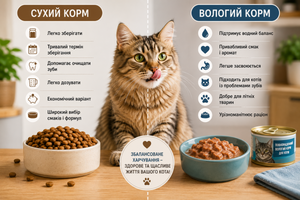
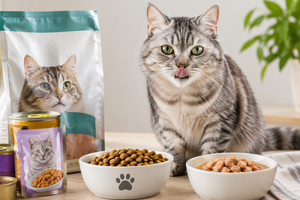
Both dry and wet food can be part of a healthy kitten diet.
Benefits of dry food include:
- Easy portion control
- Long shelf life
- Cost-effective feeding
- Helps reduce plaque through chewing
Benefits of wet food include:
- High moisture content
- Appealing aroma and flavor
- Softer texture
- Supports proper hydration
Many veterinarians recommend combining both types of food to provide dietary variety while helping maintain healthy water intake.
Does a Kitten Need Vitamin Supplements?
If your kitten eats a complete and balanced premium kitten food, additional vitamin supplements are usually unnecessary.
Excessive amounts of certain vitamins and minerals can be just as harmful as deficiencies. Supplements should only be given when recommended by a veterinarian.
Foods That Should Never Be Given to Kittens
Some human foods can be dangerous or even toxic to kittens.
Avoid feeding:
- Chocolate
- Onions and garlic
- Grapes and raisins
- Cooked bones
- Processed meats
- Smoked foods
- Salty or spicy foods
- Alcohol
- Caffeine
Table scraps should not become part of a kitten's regular diet, even if the kitten eagerly asks for them.
How to Tell If Your Kitten's Diet Is Working
Good nutrition is reflected in your kitten's overall condition and behavior.
Signs of a healthy diet include:
- Steady weight gain
- High energy levels
- Shiny, healthy coat
- Bright, clear eyes
- Healthy skin
- Normal digestion
- Regular bowel movements
If your kitten refuses food, fails to gain weight, develops digestive problems, or appears unusually tired, consult your veterinarian.
Helpful Feeding Tips
A healthy feeding routine involves more than simply choosing good food.
Keep these recommendations in mind:
- Always provide fresh drinking water
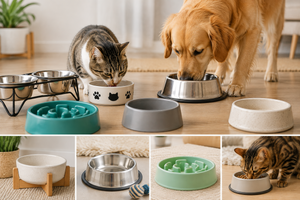
- Wash food and water bowls regularly
- Feed meals at consistent times
- Introduce new foods gradually
- Follow recommended portion sizes
- Limit treats and snacks
Developing healthy feeding habits early in life can help prevent obesity and digestive issues later on.
Proper nutrition during the first year of life lays the foundation for your cat's future health. A high-quality kitten food, regular feeding schedule, and constant access to clean water provide the nutrients needed for healthy growth, a strong immune system, and lifelong vitality. By choosing food designed specifically for kittens and following appropriate feeding guidelines, you give your young cat the best possible start toward a healthy, active, and happy life.