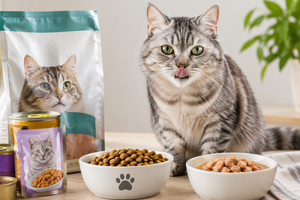

Nutrition plays a vital role in a cat's overall health, well-being, and longevity. Many pet owners wonder whether dry food or wet food is the better choice for their feline companion. Both options have unique advantages and can be part of a healthy diet when selected according to your cat's age, lifestyle, and nutritional needs. Understanding the differences between these types of food will help you make the best decision for your pet.
Benefits of Dry Cat Food
Dry food is the most common choice for feeding domestic cats. It contains approximately 8–10% moisture, making it a concentrated source of nutrients.
High-quality dry food is carefully formulated to provide balanced levels of protein, fats, vitamins, and minerals for everyday nutrition.
Main advantages include:
- Easy to store
- Long shelf life after opening
- Simple portion control
- Cost-effective daily feeding
- Helps reduce plaque buildup through chewing
- Wide variety of recipes for different ages and health needs
Cats that eat dry food should always have access to fresh, clean drinking water throughout the day.
Benefits of Wet Cat Food
Wet food contains approximately 70–85% moisture, making it closer to the natural water content of a cat's prey.
Canned food, pâtés, and meat chunks in gravy or jelly usually have a richer aroma and softer texture, making them especially attractive to picky eaters.
Main advantages include:
- Supports proper hydration
- Easy to digest
- Highly appealing aroma and taste
- Suitable for cats with dental problems
- Ideal for senior cats
- Adds variety to the daily diet
After opening, wet food should be refrigerated and used within the period recommended by the manufacturer.
Can You Feed Both Dry and Wet Food?
Many veterinarians recommend mixed feeding when the daily calorie intake is properly balanced.
A common approach is to use dry food as the primary diet while offering wet food as one of the daily meals.
This feeding method can:
- Add variety to your cat's diet
- Help maintain proper hydration
- Encourage picky eaters to eat regularly
- Improve comfort for senior cats
For the best results, choose foods of similar quality and carefully follow the recommended daily feeding guidelines.
Which Food Is Best for Different Cats?
Every cat has different nutritional needs depending on age, lifestyle, and health.
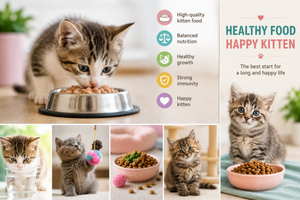
Kittens require specially formulated diets rich in protein and healthy fats to support rapid growth and development.
Healthy adult cats can thrive on dry food, wet food, or a combination of both.
Senior cats often benefit from a higher proportion of wet food because it is easier to chew and provides additional moisture.
Sterilized or neutered cats usually benefit from specially formulated diets with controlled calorie levels and balanced mineral content to support urinary tract health.
Common Feeding Mistakes
Many nutrition-related problems are caused not by the food itself but by improper feeding habits.
Common mistakes include:
- Changing food too quickly
- Overfeeding
- Not providing fresh drinking water
- Feeding food designed for the wrong life stage
- Mixing foods incorrectly
- Replacing balanced meals with excessive treats
Whenever introducing a new food, transition gradually over seven to ten days to allow your cat's digestive system to adjust.
How to Tell If the Food Is Right for Your Cat
A balanced diet quickly becomes visible through your cat's appearance and behavior.
Signs that your cat's food is suitable include:
- A shiny, healthy coat
- Good digestion
- Stable body weight
- Healthy appetite
- High energy levels
- Healthy skin
If you notice digestive problems, itching, excessive shedding, or changes in your cat's condition after switching food, consult your veterinarian.
There is no universal answer to whether wet food or dry food is better for cats. Both can provide complete and balanced nutrition when they are high-quality diets that meet your cat's individual needs. Many cat owners successfully combine both types of food, creating a varied diet that supports hydration, provides essential nutrients, and keeps mealtime enjoyable. Choosing the right nutrition is one of the most important steps you can take to help your cat live a healthy, active, and happy life.